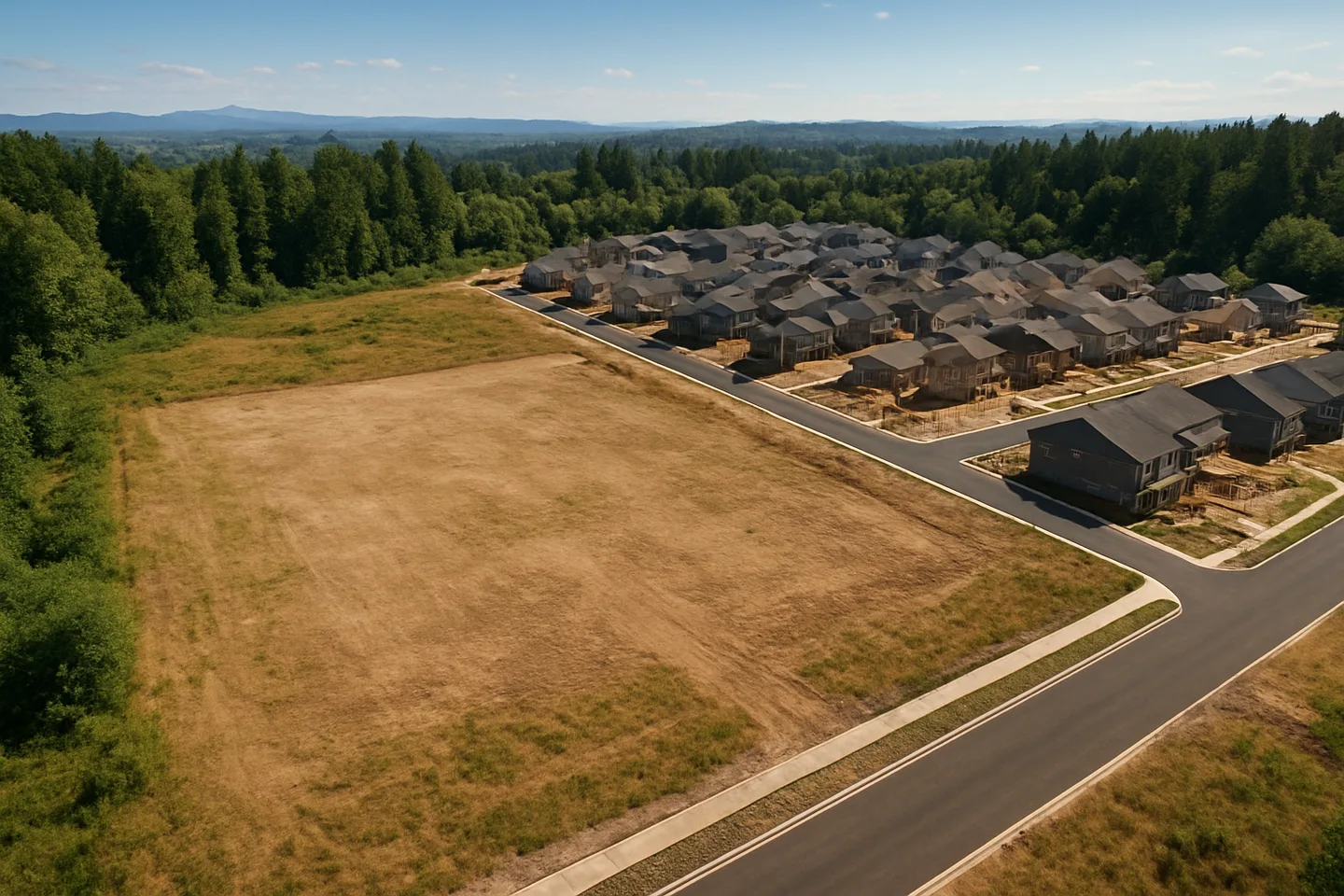
How to Sell Land To A Developer in AZ for Cash
Selling Land to a Developer in Arizona: What to Know
Selling land to a developer in Arizona can be one of the most profitable ways to sell your property, but it requires a different approach than a traditional land sale. Developers evaluate land based on its development potential -- zoning, access to utilities, proximity to growth corridors, and whether the parcel can support their planned project. Understanding what developers look for and how the negotiation process works puts you in a stronger position to get a fair price for your Arizona land.
Why Developers Buy Land in Arizona
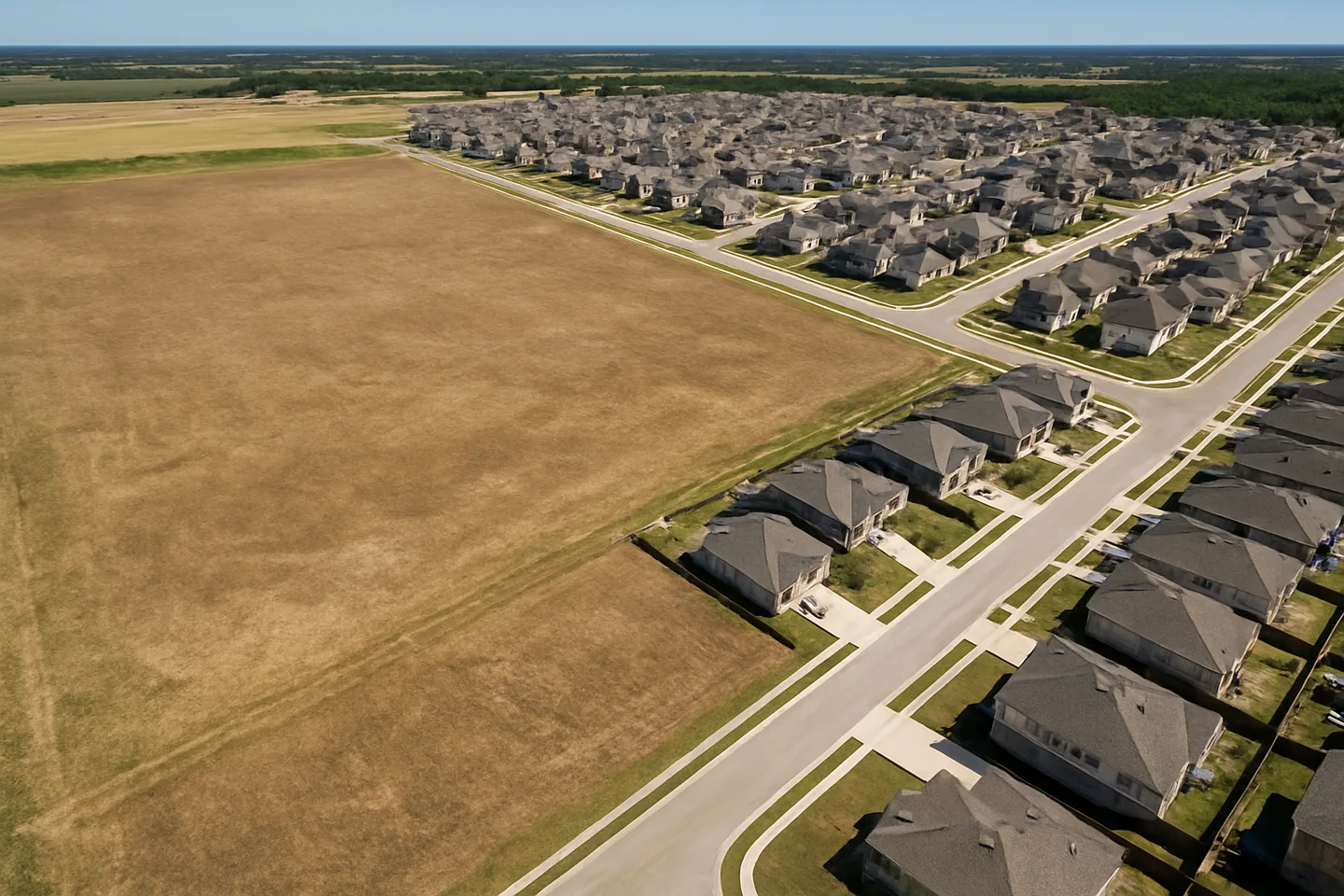
Arizona's population growth, especially in the Phoenix and Tucson metro areas, creates steady demand for developable land. Developers purchase vacant land for residential subdivisions, commercial projects, mixed-use developments, and industrial facilities. The value of your land to a developer depends on several factors beyond just acreage and location.
Zoning is the first thing a developer evaluates. Arizona's common land zoning classifications include residential (R-1, R-2), commercial (C-1, C-2), industrial, agricultural, and rural. If your land is already zoned for the developer's intended use, it commands a premium. If rezoning is needed, the process typically takes 3-6 months through public hearings, adding uncertainty and cost that developers factor into their offer.
Access to infrastructure matters significantly. Developers prefer parcels with existing road access, nearby water and sewer connections, and power lines within reach. In Arizona's arid climate, reliable water rights and sewer access can dramatically increase land value. Parcels along major growth corridors like the I-10, I-17, and Loop 303 attract the most developer interest.
How to Sell Your Land to a Developer: Step by Step
1. Get a professional appraisal. Before approaching any developer, know the market value of your property. An appraisal establishes a baseline for negotiation and prevents you from accepting a lowball offer. The appraiser should be familiar with land valuation, not just residential homes.
2. Prepare your documentation. Have property title records, tax and lien status, boundary surveys, zoning verification, and any terrain assessments readily available. Developers conduct extensive due diligence, and having these documents ready provides deeper buyer confidence and accelerates the process. Under Arizona law (A.R.S. 33-422), sellers of unsubdivided land must also provide an Affidavit of Disclosure.
3. Identify potential developer buyers. Research which developers are active in your area by checking recent permit filings, attending local planning meetings, and contacting commercial real estate brokerages. If your land is in Maricopa County, the volume of active development means more potential buyers. You can also list with a real estate agent who specializes in land sales to developers, or market the property directly.
4. Negotiate strategically. Developers typically build negotiation margins into initial proposals, so never accept the first offer. Secure substantial earnest money to ensure serious intent, and include seller protections against extended contingency periods in the purchase agreement. The most critical negotiation point is when earnest money goes "hard" -- this is when the developer becomes financially committed to the deal.
5. Manage the due diligence period. Developers will request time for due diligence -- typically 30-90 days to investigate zoning, environmental issues, utility availability, and soil conditions. A typical due diligence checklist includes title search, boundary survey, zoning verification, environmental assessment, utility availability, easements, flood zone status, and soil testing. Negotiate full disclosure of all third-party reports generated during due diligence to protect yourself if the deal falls through.
Challenges When Selling Land to Developers
The biggest challenge is finding the right developer at the right time. Developers make acquisitions based on their current project pipeline and financing. Your property may be perfect for development but sit on the market for months until a developer with the right project comes along.
Extended due diligence and contingency periods are another common frustration. Developers may tie up your property for 60-90 days while they investigate feasibility, seek rezoning approvals, or secure financing. If the deal falls through after months of waiting, you are back to square one. Strong contract terms with earnest money milestones help protect against this.
Price expectations can also cause problems. Landowners sometimes overvalue their property based on what it could be worth after development rather than its current market value as raw land. Developers buy land at raw land prices, not finished-lot prices. A real estate attorney experienced in land transactions can help you set realistic expectations and structure the deal to protect your interests.
If selling to a developer feels too slow or uncertain, consider selling to a direct cash land buyer instead. Cash buyers like Arizona Land Buyers purchase vacant land throughout the state, including in Mohave County and every other Arizona county. You may receive less than a developer would pay, but you close in as little as 2 weeks with zero hassle.
Selling to a Developer FAQ
How do I find developers interested in buying my Arizona land?
Check recent building permit filings in your county for active developers. Attend local planning commission meetings where development proposals are discussed. Contact commercial real estate brokerages that specialize in land sales. You can also list the property on platforms like LoopNet, CoStar, or Land.com that attract commercial developer buyers.
How much more will a developer pay than a regular buyer?
It depends entirely on the development potential of your land. Parcels with favorable zoning, utility access, and location in a growth area can command a significant premium over raw land value. However, developers also factor in the cost and risk of rezoning, infrastructure, and entitlements. A professional appraisal that considers highest and best use gives you the clearest picture of what your land is worth to a developer.
Do I need a real estate agent to sell to a developer?
Not necessarily, but it can help. A real estate agent who specializes in land and commercial transactions has existing relationships with developers and understands how to position your property. If you choose to sell without an agent, hire a real estate attorney to review the purchase agreement and protect your interests during the negotiation and due diligence process.
What should I look for in a developer's offer?
Focus on more than just the price. Evaluate the earnest money amount, contingency periods, due diligence timeline, and closing date. A higher offer with a 120-day contingency and minimal earnest money is riskier than a slightly lower offer with hard earnest money and a 45-day close. A real estate attorney can help you evaluate and negotiate the terms.
Your Options for Selling Arizona Land
Selling land to a developer in Arizona can yield a strong return if your property has genuine development potential and you are willing to navigate the longer selling process. For landowners who want speed and certainty over maximum price, a direct cash sale is always an option. Whatever path you choose, understanding the developer's perspective, preparing your documentation, and negotiating from a position of knowledge will help you get the best outcome for your land.
Need to sell your Arizona land? We buy land directly from owners for cash, with no fees, no commissions, and we close in as little as 2 weeks.
Loading form...
Sell Your Arizona Land for Cash
Ready to sell? We buy land directly from owners across Arizona. Get a fast, no-obligation cash offer.