
Arizona Guide: Capital Gain Tax (2026)
Capital Gain Tax: What Arizona Landowners Should Know
When you sell land in Arizona, you may owe capital gains tax on the profit. The capital gain is the difference between what you paid for the property (your cost basis) and what you sell it for. Federal long-term capital gains tax rates for 2026 are 0%, 15%, or 20%, depending on your taxable income and filing status. Arizona adds its own tax on top, though the state's effective long-term capital gains tax rate is just 1.875% after the 25% subtraction.
Short-term capital gains (property held one year or less) are taxed at ordinary income tax rates, which can be significantly higher. The capital gains tax rate you pay depends on how long you held the property and your total income. Understanding these capital gain rules before you sell can save you thousands and help you plan your tax strategy around the sale.
Gains Tax On Real Estate in AZ: Background and Context
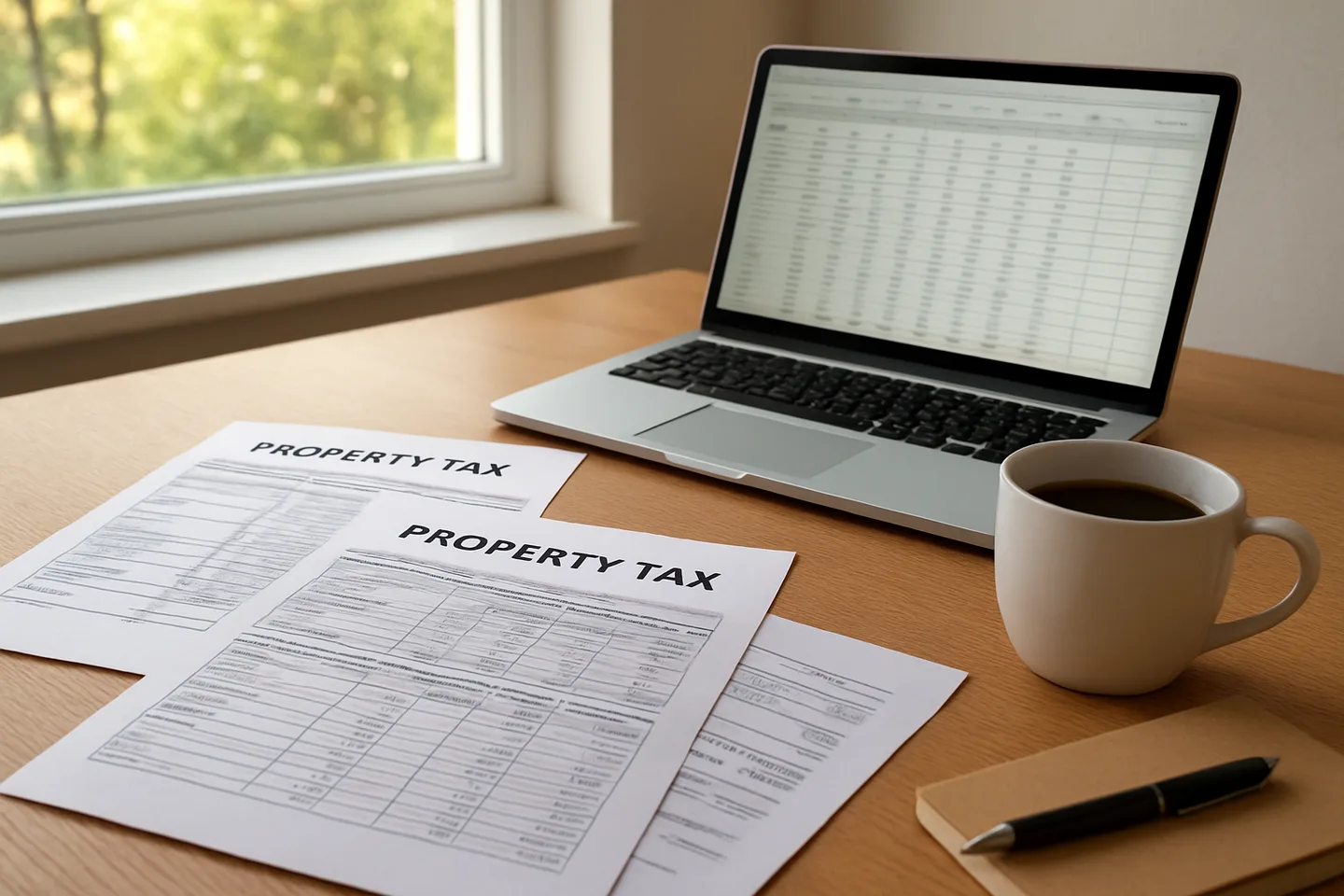
Capital gains tax on real estate in Arizona applies whenever you sell an investment property, vacant land, or rental property for more than your cost basis. Calculating capital gains tax starts with the sale price minus your original purchase price and any allowable improvements or costs. The resulting gain on the sale is what you report on your tax return.
At the federal level, long-term capital gain (property held longer than one year) is taxed at preferential rates. For 2026, single filers with taxable income of $49,450 or less pay 0% on long-term capital gains. Married couples filing jointly qualify for the 0% rate at $98,900 or less. Above those thresholds, rates climb to 15% or 20% depending on your income. Short-term gains are subject to capital gains tax at ordinary income tax rates, ranging from 10% to 37% depending on your income tax rate bracket.
Arizona taxes capital gains as regular income at its flat 2.5% rate. However, long-term capital gains benefit from a 25% subtraction from taxable income, effectively reducing the state tax liability to 1.875%. Starting January 1, 2026, this subtraction applies to all long-term capital gains regardless of when the asset was acquired. Previously, only assets acquired after December 31, 2011 qualified -- a significant tax benefit expansion for Arizona landowners.
Beyond capital gains, there are other tax considerations. Arizona does not impose a state transfer tax on real estate sales, which is one less tax bill to worry about at closing. However, if you sell an investment property or rental properties, depreciation recapture may apply at the federal level, adding to your overall tax liability. An installment sale can help you spread the gain across multiple tax years, potentially keeping you in a lower tax bracket and reducing your total capital gains tax. If you sell your property and want to defer capital gains tax entirely, a 1031 like-kind exchange is the most powerful tool available. There are also tax deduction opportunities for certain selling expenses. A tax advisor can help you identify every legitimate deduction and tax benefit available for your situation.
How to Avoid Capital Gains Tax in AZ

Arizona landowners have several legitimate strategies to reduce or avoid capital gains taxes on a land sale. The right approach depends on your property type, how long you have owned it, and your overall financial situation.
1031 Like-Kind Exchange. A 1031 exchange allows you to defer capital gains tax by reinvesting the proceeds into another investment property. Arizona conforms to federal IRC Section 1031, so any exchange that qualifies federally also qualifies at the state level. You have 45 calendar days to identify replacement property and 180 days to close. All types of real property are considered like-kind, meaning you can exchange vacant land for a rental property or vice versa. To fully defer long-term capital gains taxes, the replacement property must be of equal or greater value. A Qualified Intermediary must handle the funds -- you cannot touch the proceeds between the sale and purchase. This is the most common way for Arizona property owners to avoid paying capital gains taxes on land sales.
Stepped-Up Basis for Inherited Property. If you inherited the land, the IRS resets your cost basis to the fair market value at the date of death. If you sell the land shortly after inheriting it, the capital gain may be zero or very small. Arizona is a community property state, which means both halves of community property receive a stepped-up basis when one spouse dies. This can eliminate capital gains taxes on the entire property for the surviving spouse.
Primary Residence Exclusion. While this typically applies to homes rather than vacant land, if you owned the property and used it as your primary residence for at least two of the five years before the sale, you may qualify for the capital gains tax exclusion of up to $250,000 ($500,000 for married couples filing jointly). This is less common for raw land but applies if you built and lived on the property.
Offsetting with Capital Losses. If you have capital losses from other investments in the same tax year, you can use them to offset your capital gain from selling the land. A tax professional can help you time sales strategically to reduce your overall taxes owed. If you need to sell a property and want to lower your income tax bracket impact, spreading the sale across tax years through an installment agreement is another option. Selling the land when your taxable income is lower can also reduce your short-term capital gains exposure and keep you in a more favorable tax bracket. Whatever approach you choose, understanding the value of the land and the tax consequences before you sell the land is critical.
Potential Challenges With Capital Gains Tax on Land Sales in AZ

Selling a piece of land in Arizona comes with several tax complications that landowners should anticipate. Understanding how capital gains tax works in practice helps you avoid surprises at tax time.
Basis Documentation. You may owe capital gains tax on the full sale price if you cannot prove your original purchase price. Keep all records of what you paid, including closing costs, surveys, and improvements. The gain from the sale is calculated as the final sale price minus your adjusted basis. Without documentation, the IRS may assume a zero basis, resulting in a much larger capital gains tax on real estate than you actually owe.
Capital Gains Taxes When Selling Inherited Land. While the stepped-up basis eliminates tax on pre-death appreciation, you still pay capital gains on any increase in value after the date of inheritance. If the property sat for years and appreciated, the gains tax on the sale could be significant. You may also owe capital gains if the estate valuation was lower than the actual selling price due to market changes.
Federal Tax Plus State Tax. Arizona's capital gains tax on real estate is relatively low at an effective 1.875% for long-term holdings. But combined with federal rates of 15-20%, plus the potential 3.8% net investment income tax for high earners, the total tax burden on selling an asset can reach 25% or more. For Maricopa County landowners with significant appreciation, this adds up quickly.
Real Estate Tax on Short-Term Holdings. If you sell your land within one year of purchase, the entire capital gain is taxed at your ordinary income rate. At the federal level, that can mean a rate as high as 37%. Combined with Arizona's 2.5% flat rate, a short-term sale could cost you nearly 40% of the profit in taxes. Whenever possible, hold investment property for at least a year and a day to qualify for the lower long-term rate. A tax advisor can help you plan the timing. If you must pay tax on a large gain, consider whether an installment structure or 1031 exchange might reduce your federal tax obligation.
Capital Gains Tax FAQ for Arizona Landowners
How much tax do you pay on the sale of land in Arizona?
The amount depends on your holding period and income level. For long-term capital gains (property held over one year), federal rates are 0%, 15%, or 20% based on taxable income. Arizona's effective long-term capital gains rate is 1.875% after the 25% subtraction. High earners may also owe the 3.8% net investment income tax at the federal level. For a real estate sale of land held short-term, gains are taxed at your ordinary income rate. The proceeds from the sale minus your cost basis equal your taxable gain. A real estate agent's commission, closing costs, and other selling expenses reduce the capital gains. Consult a tax advisor to calculate your specific land sale tax obligation.
How do I avoid capital gains tax on a land sale in Arizona?
The most common strategy is a 1031 like-kind exchange, which lets you defer capital gains by reinvesting in another investment property. You can also reduce capital gains through installment sales, offsetting gains with capital losses, or timing your sale for a year when your income is lower. If you inherited the property, the stepped-up basis may eliminate most or all of the taxable gain. Under current tax law, the sale of a primary residence qualifies for a property sale exclusion of up to $250,000 ($500,000 for married couples), though this rarely applies to vacant land. A financial advisor can help you evaluate which strategies best reduce the capital gains tax on your specific property.
Does Arizona have a transfer tax when selling real estate?
No. Arizona does not charge a state transfer tax on real estate transactions. Recording fees are minimal, typically $15-$30 per document plus $2 per deed. This is a notable advantage compared to many other states that charge 1-2% of the sale price as a transfer tax. Your primary tax concern when selling a property in Arizona is capital gains, not property tax or transfer fees at closing.
Your Options Regarding Tax On Selling Land in AZ
Capital gains tax on land sales in Arizona is manageable with the right planning. The state's low effective rate of 1.875% on long-term gains, combined with strategies like 1031 exchanges and stepped-up basis for inherited property, means most landowners can significantly reduce or avoid capital gains tax on their sale. The key is understanding your taxable income situation, your holding period, and which strategies apply to your investment properties before you list or accept an offer.
If you own land in Arizona and want to explore your selling options, including a quick cash sale that avoids months of listing, our team can help. We buy vacant land, inherited property, and rural acreage across every Arizona county and can walk you through the process from start to finish.
Need to sell your Arizona land? We buy land directly from owners for cash, with no fees, no commissions, and we close in as little as 2 weeks.
Loading form...
Sell Your Arizona Land for Cash
Ready to sell? We buy land directly from owners across Arizona. Get a fast, no-obligation cash offer.